




Walking for Weight Loss: How Much Is Really Enough?

Walking for weight loss works best when you aim for 30 to 45 minutes most days of the week. You do not need to run miles or sweat through hard workouts to see the scale go down. A steady daily walk burns calories, lowers stress, and keeps your joints happy.
If you want a simple answer, aim for 8,000 to 10,000 steps a day, or about 3 miles. That burns roughly 200 to 300 extra calories depending on your body weight. Over a few months, that small habit adds up to real loss without making you feel exhausted.
How Walking Helps You Lose Fat Safely
Your body burns energy all day just to keep you alive. When you add a brisk walk, you force your muscles to use extra fuel without stressing your system. It is a gentle way to build a energy gap without feeling starved.
high-intensity workouts can make you very hungry later. You might end up eating back all the calories you just burned. Walking keeps your appetite stable. It lowers cortisol, which is a stress hormone that tells your body to hold onto belly fat.
My friend Sarah started walking after trying three hard gym plans that left her tired and hurt. She did not change her food right away. She just walked for 30 minutes every morning before work. In six weeks, she lost four pounds without feeling like she was on a strict plan. That is how steady weight loss really happens.

How Much Should You Walk Each Day?
The exact number of steps depends on where you are starting today. If you currently take 3,000 steps, jumping straight to 10,000 might make your feet hurt. It is much better to build up slowly so your body can adjust.
Here is a safe plan to find your sweet spot:
- Beginner: Aim for 5,000 steps a day. This is about 40 minutes of total movement spread across your whole day.
- Intermediate: Aim for 7,500 steps a day. This is the stage where most people start seeing steady weight changes.
- Target Goal: Aim for 10,000 steps a day. This equals roughly 4 to 5 miles of walking.
Do not worry if you cannot hit your goal all at once. Three 10-minute walks give you the same health benefits as one 30-minute walk. You can park farther away at the store, take the stairs, or walk around your living room while watching TV.
How Many Calories Does Walking Actually Burn?
The calories you burn depend on your current body weight and your speed. A heavier person uses more energy to move the same distance than a lighter person. That is just basic physics, and it works in your favor when you start out.
A person who weighs 180 pounds burns about 100 calories per mile at a normal speed. If you walk 3 miles, you burn 300 calories. Do that five days a week, and you burn 1,500 extra calories every single week.
To lose one pound of fat, you need a gap of about 3,500 calories. Walking alone can get you halfway to losing a pound a week. When you pair your daily steps with sensible food choices, the results get even better. You can check out this guide on How to Stop Late Night Eating for Good to help protect the calorie gap you create during the day.
What Is the Best Pace for Fat Loss?
You do not need to power-walk so fast that you look silly. But strolling very slowly while looking at your phone will not raise your heart rate enough to burn top calories. You want a brisk pace.
A brisk pace means you can talk, but you cannot sing. If you can carry on a normal sentence without gasping, your pace is safe and good. If you are breathing so hard you cannot speak, slow down a bit. You are walking, not racing.
Try adding short hills or inclines to your route. Walking up a slight hill burns up to 30 percent more calories than walking on a flat street. It also builds the muscles in your legs and glutes, which helps your body burn more fuel even while resting. You can learn more simple ideas on our healthy weight loss blog.
Simple Ways to Get More Steps Without Extra Time
Finding an extra hour every day feels hard when you have work, family, and chores. The trick is to fit movement into things you already do. You do not need to clear a huge block of time on your calendar.
Here are real ways real people add steps without stress:
- Walk while you talk on the phone with friends or during work calls.
- Pace around your kitchen while waiting for water to boil or coffee to brew.
- Take a 10-minute walk right after your lunch break. It helps digestion too.
- Set a gentle timer on your watch to stand up and walk for two minutes every hour.
- Walk around the field while your kids are at sports practice instead of sitting in the car.
Mark, a reader who works at a desk all day, added 3,000 steps just by pacing during his daily phone meetings. He did not lose any extra time from his work day, but he burned an extra 150 calories every day. Small tweaks make the biggest difference over a full year.
How to Protect Your Feet and Joints
Because walking is easy, it is easy to forget that your feet take a lot of impact. If your feet hurt, you will quit. Taking care of your body keeps your daily routine going for the long haul.
Get a pair of supportive walking shoes. They do not need to cost a fortune, but they should not be worn-down flat sneakers from five years ago. Look for good cushion and arch support. Replace your shoes every 400 miles or so, because the foam wears down inside even if the outside looks clean.
Listen to your body. If your shins or heels start to ache, take a rest day or cut your distance in half. Rest is part of the process. Pushing through bad joint pain will only set you back weeks. Your body uses rest days to repair muscle tissue and rebuild your strength.
Tracking Your Progress the Right Way
The scale on your bathroom floor only tells part of the story. Weight changes up and down every day because of water, salt, and food resting in your stomach. Do not let a high morning number ruin your day.
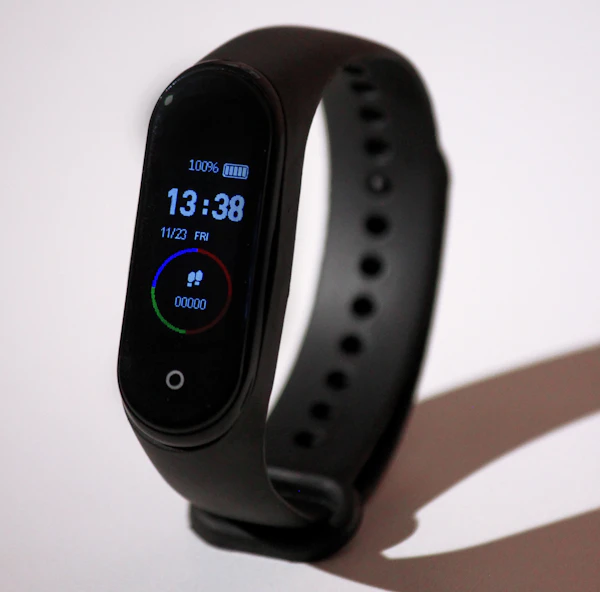
Track your steps using a cheap pedometer, a smart watch, or a free phone app. Seeing your step count rise gives you a quick win every evening. It builds confidence that you are taking action, no matter what the scale says that morning.
Notice how your clothes fit after three or four weeks of consistent daily walks. Notice your energy level when you climb a flight of stairs. Are you breathing easier? Do you sleep better at night? Those are massive wins that prove your body is getting stronger and leaner.
Start small today. Put on your shoes, open your front door, and walk for just 15 minutes in one direction, then turn around and walk back. You just took your first big step toward your goals.
Labels: daily step goal, fat burn habits, safe weight loss, simple exercise, walking for weight loss, weight-loss
posted by Football Buzz Daily @ November 22, 2026
0 Comments


0 Comments:
Post a Comment
Subscribe to Post Comments [Atom]
<< Home