100% NATURAL LIFESTYLE EDITION - Whole Foods, Hydration, Outdoor Activity and Mindful Habits for USA
FitAura
FitAura Pure Natural Directory - USA

20 Natural Ways and Whole-Food Habits for Healthy Weight

Clean nutrition, herbal teas, fresh smoothies, brisk walking, yoga, sleep routines, and everyday natural habits built for sustainable wellness.

View All 20 Natural Picks

20 Natural Weight Loss Ideas and Lifestyle Picks

Tap Click Now below any natural option to open your linked destination page.

Natural#01
Green Leafy Smoothie

Green Veggie Smoothie

Fresh spinach, cucumber, and fruit blends packed with natural fiber and hydration.

Click Now
Natural#02
Fresh Green Tea Infusion

Pure Green Tea Habit

Warm brewed green tea leaves for a refreshing daily drink without added sugar.

Click Now
​ <data:blog.pageTitle/>
USA HEALTH AND WELLNESS DIRECTORY - Natural Methods and Supplementary Weight Loss Offers
FitAura USA Marketplace 2026

Natural and Supplementary Weight Loss Solutions

Explore popular herbal formulas, metabolism supplements, detox teas, and natural lifestyle plans tailored for United States wellness seekers.

Top Supplementary Weight Loss Products

Popular capsules, drops, and herbal blends designed to support metabolism and energy.

#1 Best Seller 4.9 / 5.0
Alpine Metabolic Support
Metabolic Formula

AlpiLean Metabolic Support

Plant-ingredient capsules designed to support healthy inner temperature, calorie burning, and daily energy.

Type: Capsules Target: Metabolism
Click Now
#2 Trending USA 4.8 / 5.0
Morning Coffee Metabolism Booster
Morning Coffee Blend

JavaSlim Coffee Enhancer

Tasteless nutritional blend formulated to mix easily with morning coffee to support fat oxidation.

Type: Powder Packs Target: Fat Burn
Click Now
#3 Fast Absorb 4.8 / 5.0
Herbal Liquid Drops
Liquid Complex

BioTrim Herbal Drops

Concentrated liquid botanical formula aimed at appetite balance, digestion, and steady weight control.

Type: Liquid Drops Target: Appetite
Click Now
#4 Top Rated 4.7 / 5.0
Keto ACV Gummies
Keto and ACV

KetoFlow ACV Gummies

Apple cider vinegar and ketone support gummies crafted for convenient daily ketosis and craving support.

Type: Gummies Target: Ketosis
Click Now

Natural Weight Loss Methods and Programs

Holistic nutrition plans, herbal teas, smoothie guides, and home workout routines.

100% Natural 4.9 / 5.0
Green Detox Smoothie
21-Day Nutrition

Green Smoothie Detox Plan

Whole-food leafy greens, fruits, and fiber-rich smoothie recipes to naturally cleanse and slim down.

Method: Whole Foods Duration: 21 Days
Click Now
Herbal Routine 4.8 / 5.0
Organic Green Tea Detox
Antioxidant Tea

Organic Matcha and Ginger Tea

Natural green tea catechins and ginger root infusion to support digestion, hydration, and metabolism.

Method: Herbal Tea Type: Organic
Click Now
Meal Blueprint 4.8 / 5.0
Healthy Low Carb Keto Meal
Balanced Diet

Custom Keto Meal Blueprint

Personalized low-carb, healthy-fat meal plans using everyday groceries for sustainable fat loss.

Method: Diet Plan Focus: Low Carb
Click Now
Active Fitness 4.7 / 5.0
Home Yoga and Fitness Routine
Bodyweight Burn

15-Minute Yoga Burn Routine

Low-impact home yoga and core strengthening sequences designed to tone muscles and boost flexibility.

Method: Exercise Equipment: None
Click Now

2026 FitAura USA. All Rights Reserved.

Disclaimer: The content, natural guides, and supplementary products listed on FitAura are for informational purposes only and are not intended to diagnose, treat, cure, or prevent any disease. Individual results vary. Always consult a licensed physician before starting any supplement, diet, or exercise program.

​ <data:blog.pageTitle/>
USA MARKETPLACE EDITION - Curated Weight Loss and Wellness Offers for United States Shoppers
FitAura Wellness Directory - USA

Discover Top Weight Loss and Metabolism Solutions

Browse popular fat-support formulas, daily wellness gummies, and smart fitness tools in a clean marketplace layout built for fast decision-making.

Region: United States (USA)
Category: Weight Loss and Fitness
Access: Direct Instant Link

Featured Weight Loss Products

Select a product card and tap Click Now to visit the offer page.

All Picks Metabolism Detox Fitness
#1 Trending 4.9 / 5.0
Keto Burn Formula
Metabolism Support

Keto Burn Max Formula

Formulated to support daily fat metabolism, steady energy, and active weight loss routines.

Format: Capsules Audience: USA
Click Now
#2 Popular 4.8 / 5.0
Green Tea Detox Blend
Herbal Detox

Pure Green Tea Detox

Plant-inspired antioxidant blend aimed at supporting daily cleansing and healthy weight goals.

Format: Daily Blend Audience: USA
Click Now
#3 Top Pick 4.8 / 5.0
ACV Wellness Gummies
Appetite and Wellness

ACV Slimming Gummies

Easy-to-take apple cider vinegar gummies designed to fit smoothly into daily wellness habits.

Format: Gummies Audience: USA
Click Now
#4 Fitness Gear 4.7 / 5.0
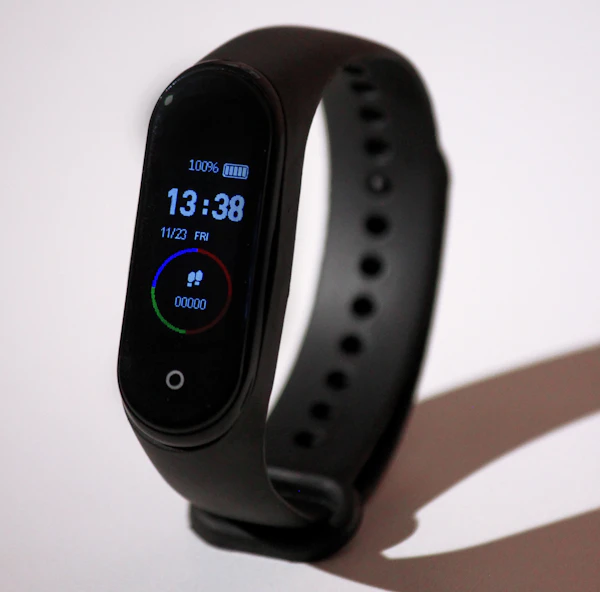
Fitness Calorie Tracker
Smart Fitness

ProFit Calorie Tracker

Track active minutes, daily steps, and workout consistency to stay on top of fitness targets.

Format: Wearable Audience: USA
Click Now

How FitAura Marketplace Works

STEP 01

Choose a Category

Review featured weight loss, detox, and fitness options organized for quick scanning.

STEP 02

Tap Click Now

Click the orange action button below any product image to open the destination link.

STEP 03

Review Details

Check product information, terms, and availability directly on the linked page.

<data:blog.pageTitle/>
FitAura
USA Top Wellness Picks 2026

Effective Weight Loss & Fitness Solutions

Discover top-rated supplements and fitness essentials designed to support metabolism, energy, and healthy weight management.

Click Now to Check Offers

Best Selling Weight Loss Products

Click below each product to view details and availability

Keto Burn Formula
Keto Burn Max Formula
Supports daily fat metabolism, energy levels, and active weight goals.
Click Now
Green Tea Detox
Pure Green Tea Detox
Natural herbal blend designed for gentle cleansing and wellness support.
Click Now
ACV Slimming Gummies
ACV Wellness Gummies
Convenient daily gummies to support digestion and appetite control.
Click Now
Fitness Calorie Watch
ProFit Calorie Tracker
Monitor daily steps, burned calories, and heart rate with ease.
Click Now

Why Choose FitAura Recommendations?

  • Curated wellness and fitness products popular among USA shoppers.
  • Direct one-click access to official product pages and deals.
  • Clean, fast-loading mobile experience with zero clutter.
FitAura: November 2026

Thursday, November 26, 2026

Protein Foods That Keep You Full All Day Long

Protein Foods That Keep You Full All Day Long

Protein foods that keep you full can change the way you drop extra pounds. Most of us get hungry two hours after lunch because our meals lack real power. When you build your plate around the right protein, you stop thinking about food all afternoon.

The secret is simple. Digesting protein takes time, which keeps your stomach happy and stops your blood sugar from spiking. Adding just 25 to 30 grams of protein to your main meals can cut your daily snack cravings in half without making you feel deprived.

Why Protein Works Better Than Other Foods for Hunger

Your body works harder to break down protein than it does for carbs or fats. Scientists call this the thermic effect of food. When you eat chicken, eggs, or beans, your stomach empties slowly. You feel satisfied long after the meal is over.

Carbs give you quick energy, but they leave your system fast. Think about a giant bowl of white pasta. You feel stuffed right away, yet your stomach growls two hours later. A meal built on solid protein acts like a slow-burning log on a fire.

Research on Weight loss shows that eating enough protein protects your lean muscle while you drop fat. That matters because muscle burns calories even when you rest on the couch. Skipping protein makes your body burn muscle instead of fat, which slows down your progress.

It also changes your brain chemistry. Protein drops your levels of ghrelin, the hormone that tells your brain you are hungry. At the same time, it boosts the hormones that tell you that you are full. It is a double win for anyone trying to eat less without suffering.

1. Eggs: The Easiest Way to Start Your Morning

Eggs are cheap, easy to make, and packed with nutrition. One large egg gives you six grams of high-quality protein for only 70 calories. Eating two or three for breakfast sets a great tone for your whole day.

A friend of mine used to eat a bagel with cream cheese every morning at 8:00 AM. By 10:30 AM, she was at the vending machine buying chips. She swapped the bagel for three scrambled eggs with a handful of spinach. Suddenly, she made it to 1:00 PM lunch without a single stomach rumble.

You can prepare them in many ways so you never get bored. Hard-boil a batch on Sunday night for quick snacks. Fry them in a little olive oil, or scramble them with left-over vegetables. The egg yolk also holds healthy fats that keep your brain sharp.

2. Greek Yogurt: Pack More Power Into Your Snack Time

Plain Greek yogurt is a heavy hitter in the kitchen. Regular yogurt has about five grams of protein per cup, but Greek yogurt has up to 15 to 20 grams. That is because the liquid whey is strained out, leaving behind a thick, creamy food.

Be careful at the grocery store. Many flavored yogurts carry up to 20 grams of added sugar per cup. That extra sugar cancels out the benefits and makes you hungry again fast. Always buy plain Greek yogurt and add your own flavor at home.

Throw in half a cup of fresh blueberries and a dash of cinnamon. You get a sweet treat that stays in your belly for hours. You can also use plain Greek yogurt instead of sour cream on baked potatoes or taco nights to boost your protein numbers effortlessly.

3. Chicken Breast and Turkey: Lean and Filling Staples

Skinless chicken breast is a classic for a good reason. A cooked four-ounce portion gives you nearly 35 grams of protein for around 165 calories. It is pure fuel for your body with almost no fat or carbs.

Turkey breast offers the exact same benefits. If you hate dry chicken, the problem is usually how you cook it. Do not bake it until it tastes like cardboard. Season it well with garlic, paprika, and salt, then cook it on a hot skillet with a tiny splash of oil.

Having pre-cooked chicken in your fridge saves your diet on busy weeknights. Chop it up over a big mix of green leaves, or shred it into a bowl of vegetable soup. If liquid calories are slipping into your day alongside these meals, check out these Drinks That Quietly Add Weight and How to Swap Them to keep your total numbers in check.

4. Cottage Cheese: The Underrated Weight Loss Hero

Cottage cheese fell out of style for a while, but it is making a huge comeback. One cup of low-fat cottage cheese delivers 28 grams of protein. It contains a lot of casein protein, which digests very slowly over several hours.

This slow digestion makes cottage cheese an amazing late-afternoon snack or even an evening bite. It keeps your body supplied with amino acids while you sleep, which stops mid-night hunger pangs dead in their tracks.

If you dislike the curds, blend it in a food processor until smooth. You can blend it into pasta sauces, mix it into pancake batter, or eat it topped with sliced strawberries. It takes on the flavor of whatever you put with it.

5. Fish and Seafood: Healthy Fats Meets Fast Protein

Salmon, tuna, and cod bring a ton of nutrition to the dinner table. A six-ounce salmon fillet has about 34 grams of protein along with healthy omega-3 fats. These fats aid your heart and help keep you full for hours.

White fish like cod or tilapia is lighter in calories but still very filling. You can eat a large piece of cod for under 200 calories while getting 30 grams of protein. That leaves plenty of room on your plate for green beans and roasted potatoes.

Canned tuna is another fast option when you have no time to cook. Drain a can, mix it with a spoonful of Greek yogurt and mustard, and scoop it with cucumber slices. It costs under two dollars and delivers 30 grams of pure fuel in five minutes.

6. Plant-Based Proteins: Lentils, Beans, and Tofu

You do not need to eat meat to hit your goals. Lentils and black beans are loaded with both protein and dietary fiber. One cup of cooked lentils packs 18 grams of protein and 15 grams of filling fiber.

Fiber absorbs water in your gut and expands, which signals to your brain that you are stuffed. Combining fiber and protein in one food makes beans one of the best tools for Dieting without feeling miserable.

Tofu and edamame are also great choices made from soybeans. Half a cup of firm tofu has about 10 to 12 grams of protein and easily soaks up sauces. Toss cooked edamame into your salads for an extra six grams of protein per half-cup.

How do I build a plate to stay full for 5 hours?

Knowing good foods is only half the battle. You also need to put them together in a way that works for your schedule. A simple rule is to aim for a palm-sized portion of protein at every major meal.

Here is what a full day of eating looks like when you focus on protein:

  • Breakfast: Three eggs scrambled with onions and tomatoes, plus one slice of whole-wheat toast. (22 grams protein)
  • Lunch: A big bowl with four ounces of grilled chicken, half a cup of black beans, brown rice, and salsa. (42 grams protein)
  • Snack: One cup of plain Greek yogurt with a handful of berries. (18 grams protein)
  • Dinner: Five ounces of baked salmon with roasted broccoli and a small sweet potato. (35 grams protein)

This layout gives you over 110 grams of protein for the day. You will not feel like you are on a restrictive diet because your body has everything it needs. You can learn more about balancing your daily food targets by reading our anchor text about the topic guide to long-term health.

Smart Ways to Add More Protein Without Extra Stress

You do not need to change your whole life in one morning. Start small by upgrading your current meals. If you usually eat plain oatmeal, stir in a scoop of protein powder or two tablespoons of peanut butter before serving.

Keep protein snacks ready in your fridge so you reach for them instead of cookies. Hard-boiled eggs, string cheese, and snack-sized cans of tuna require zero cooking when you are tired after work. Having these options ready protects your goals when your willpower is low.

Lastly, drink plenty of water as you up your protein intake. Protein requires extra water for your body to process efficiently. Drink a big glass with every meal, and your stomach will feel even fuller throughout the day.

Pick just one new protein food from this list to try tomorrow morning. Notice how your body feels at noon compared to yesterday. A few small changes to your plate can make weight loss feel easy, natural, and completely stress-free.

Labels: , , , , ,

Drinks That Quietly Add Weight and How to Swap Them

Drinks That Quietly Add Weight and How to Swap Them
Photo: Wikimedia Commons

Drinks that quietly add weight can stop your progress even when your food choices are great. You eat a healthy salad, pick lean chicken, and skip the cake, but the scale stays stuck. The mystery often hides right inside your glass.

Liquid calories do not make your stomach feel full the way real food does. A large coffee drink or a tall glass of juice can add 300 extra calories to your day in just five minutes. Swapping these options for simpler choices lets you drop weight without eating less food.

Why Liquid Calories Are So Easy to Overlook

Your brain handles liquids differently than solid meals. When you chew meat or vegetables, your stomach senses the volume and tells your brain that food is incoming. Drinkable sugar slides past those checks, so you end up consuming full meals on top of heavy beverages.

think about a daily sweet tea or morning flavored latte. Drinking 250 extra calories every afternoon adds up to more than two pounds of gain each month. Most people never connect that gain to their drink cup because it did not feel like eating.

You can learn more about how body body energy burn works on this page about Basal metabolic rate. Understanding your daily needs makes it clear why small liquid extras make such a big splash over time.

Fancy Coffee Drinks That Act Like Melted Desserts

Plain black coffee has almost zero calories. Add whole milk, flavored syrups, whipped cream, and caramel drizzle, and your morning cup becomes a heavy treat. Some popular coffee shop orders contain 400 to 600 calories before breakfast even starts.

My friend Sarah ordered a large vanilla iced latte every morning at nine. She thought it was just coffee, but it held 380 calories and 45 grams of sugar. That was the same as eating two full chocolate frosted donuts before noon.

You do not have to give up your morning caffeine kick. Try buying a plain iced coffee and adding one splash of half-and-half with a dusting of cinnamon. That simple change cuts out 300 calories every single morning, which can restart your progress within two weeks.

Fruit Juices and Smoothies That Sound Healthy

Fruit comes from nature, so fruit juice feels like a smart pick. The problem starts when fruit gets squeezed into a glass. You lose all the natural fiber that slows down digestion, leaving behind a quick hit of natural sugar.

A single glass of orange juice takes four whole oranges to make. You would rarely sit down and eat four oranges in two minutes, but drinking them happens fast. That glass packs 240 calories and zero fiber to keep your appetite calm.

Store-bought smoothies are often worse offenders. Many shops use frozen yogurt, fruit juice bases, and sweet syrups to make them taste great. A medium berry smoothie can easily pack 500 calories, which is more than a plate of eggs, toast, and fruit.

Eat the whole fruit instead of drinking it. An apple or an orange takes time to chew, fills your tummy, and gives you great energy for very few calories. You can also read our guide on Weight Loss Myths Most People Believe and What Works Instead to see how other healthy-looking foods trap well-meaning people.

Sweet Teas, Sports Drinks, and Regular Soda

Regular soda is the most obvious liquid sugar trap, but it is not the only one. Bottled sweet teas and colorful sports drinks can hold just as much sugar as a can of cola. People often sip them during work hours without realizing how fast the totals climb.

A standard 20-ounce bottle of lemon sweet tea has about 220 calories. If you drink one with lunch every weekday, that is 1,100 extra calories a week. Over a full year, that single habit can add 16 pounds to your body frame.

Sports drinks are designed for endurance athletes running long races in hot heat. If you walk for thirty minutes, drinking a sugary sports beverage puts back more energy than your body just used up. Plain cold water is always enough for normal daily movement.

Try swapping your afternoon sweet tea for sparkling water with a squeeze of fresh lime. You still get the cold fizz and great flavor, but you save hundreds of calories without feeling left out.

Alcoholic Drinks That Quietly Stop Fat Burn

Alcoholic drinks pack a double punch when you want to lower your weight. First, pure alcohol carries seven calories per gram, which is almost as high as pure fat. Second, your body stops burning food fat while it works to process alcohol out of your blood stream.

A creamy frozen cocktail like a pina colada can hit 600 calories per glass. Drink two of those at dinner, and you have consumed an entire day's worth of main meals in glass form. Even craft beers average 200 calories for a small bottle.

If you choose to drink, pick options that stay light. A glass of wine or a spirit mixed with club soda stays around 100 calories. Keep drinking water between glasses to stay hydrated and keep your stomach satisfied.

To read more about standard Dieting methods and how daily habits form long-term success, check out real health resources that focus on safe changes.

What Should You Drink to Lose Weight Steadily?

The best choices are simple, clean, and refreshing. Water should always sit at the top of your list because it fuels your muscles, clears your head, and helps your stomach run smoothly. Drinking a full glass of water before meals can also help you feel full sooner.

Here are five easy daily swaps that keep your taste buds happy:

  • Swap vanilla lattes for cold brew coffee with a small splash of milk.
  • Swap bottled fruit juice for cold water infused with real strawberry slices.
  • Swap sweet tea for hot green tea or iced herbal tea with mint.
  • Swap regular sodas for flavored seltzer or sparkling water.
  • Swap heavy mixed cocktails for vodka with soda water and fresh lime juice.

Making these shifts does not mean your drinks have to be boring. Adding lemon slices, cucumber, or fresh mint leaves turns plain cold water into a treat that feels special. You get all the comfort without any of the hidden weight gain.

Making Simple Swaps That Stick for Life

Do not try to drop every sweet drink on your list today. Sudden extreme shifts usually feel hard, and people often give up after three hard days. Pick just one heavy drink to swap out this week.

If you drink two sweet coffees daily, cut back to one, then switch the second cup to black coffee with cinnamon. Once that feels easy, take a look at your afternoon soda or evening sweet tea. Small changes done every day bring massive wins over a few months.

For more simple guides on eating well and living healthy, check out our collection of tips on healthy everyday weight loss advice. Staying steady with real food and smart drinks is the safest way to reach your goals.

Take a look at your desk or kitchen counter right now. What drink is sitting next to you, and what easy swap could you make tomorrow morning?

Labels: , , , , ,

Weight Loss Myths Most People Believe and What Works Instead

Weight Loss Myths Most People Believe and What Works Instead

Weight loss myths can keep you stuck for months even when you try your hardest. You cut out your favorite foods, work out until you feel sick, and the scale still stays on the exact same number. It is not your fault, because most diet advice is just wrong.

The truth is simple. You do not need to starve yourself, ban entire food groups, or run five miles every morning to shed fat. Real progress happens when you drop the fairy tales and stick to safe, basic habits that work with your body instead of fighting it.

Myth 1: You Must Cut Out All Carbs to Lose Fat

Carbohydrates are not the enemy. Many people think eating a piece of bread adds instant fat to their belly. That is simply not how body energy works.

When you stop eating carbs, your body loses water weight very fast. A friend of mine tried a strict zero-carb plan last year. She lost six pounds in four days and felt thrilled. But by week two, she felt dizzy, angry, and so tired she could barely walk up the stairs. As soon as she ate a bowl of rice, the weight came right back. It was just water leaving her muscles, not real fat.

Carbs give your brain and muscles energy to move. Foods like oats, apples, potatoes, and brown rice keep you happy and full. Your body burns fat when you take in fewer calories than you burn, regardless of whether those calories come from carbs, fat, or protein. Cutting out entire food groups usually leads to binge eating later on. Eating balanced meals is always safer and easier to keep up for years.

Myth 2: Eating Late at Night Automatically Makes You Gain Weight

Your stomach does not have a clock. It does not look at the wall at eight in the evening and decide to turn everything you eat straight into body fat.

A calorie is a unit of energy. If your body needs 2,000 calories a day to stay the same size, eating 1,800 calories will help you drop weight. It does not matter if you eat those calories at seven in the morning or ten at night. The total amount over the whole day is what counts.

Why do people think night eating causes fat gain? It comes down to choices. Most people do not wake up at midnight to eat grilled chicken and steamed broccoli. They eat potato chips, ice cream, or cookies while watching television on the couch. You can learn more about general Weight loss science to see how daily energy balances work over time.

If you feel truly hungry late at night, eat a light snack. A boiled egg, a small cup of Greek yogurt, or an apple with one spoon of peanut butter will not ruin your progress. Just keep track of the total food you eat throughout your day.

Myth 3: Sweating More Means You Are Burning More Fat

Sweat is just your body trying to cool down. It has almost nothing to do with how much fat you burn during a workout.

Imagine sitting in a hot sauna for thirty minutes. You will sweat heavily, and if you step on a scale right after, you might weigh one pound less. But that weight loss is pure water. The moment you drink a glass of cold water, that pound comes right back. The same thing happens when you run outside in heavy clothes on a hot summer afternoon.

Fat leaves your body mostly through your lungs when you breathe out carbon dioxide, along with water when you go to the bathroom. Building lean muscle burns more fat over time because muscle uses energy even when you rest. You can read how your body burns energy at rest by looking into Basal metabolic rate. Focus on lifting weights or walking briskly rather than wearing extra layers just to sweat.

Myth 4: Cardio Is the Only Way to Drop Weight

Running on a treadmill for an hour every day is not the best path for everyone. While cardio is great for your heart, doing too much of it without strength training can slow down your progress.

When you do hours of hard cardio while eating very little, your body gets scared. It starts burning your own muscle for fuel alongside the fat. Less muscle means your metabolism slows down, making it much harder to keep weight off later. That is why so many runners struggle with a tough Why the Scale Stops Moving: How to Fix a Weight Loss Plateau after a few months of good results.

A balanced plan works much better. Try doing basic strength exercises two or three times a week. You do not need heavy gym gear. Bodyweight squats, push-ups against a wall, and light dumbbell exercises work great. Pair that with plain walking. Walking 7,000 steps a day burns plenty of energy without making you feel starving all evening.

How Do You Know What Advice to Follow?

Sorting good advice from bad advice is easy once you know what to look for. If a diet sounds too fast, too hard, or strange, it is usually a myth.

  • Avoid extreme rules: Any plan that says you cannot eat fruit or must drink only liquid meals is unsafe and hard to keep doing.
  • Look for slow changes: Healthy fat loss usually means dropping half a pound to two pounds a week. Faster loss is often just water and muscle.
  • Focus on full foods: Eat real meals with lean meats, fish, beans, whole grains, and plenty of greens. Check out our healthy living tips and guides to build simple daily meal ideas.
  • Listen to your energy: A good plan gives you steady energy throughout the day. If you feel weak, dizzy, or sad every afternoon, your approach needs fixing.

Myth 5: Healthy Eating Is Too Expensive for Normal People

Many people believe you need expensive superfood powders, special organic juices, or pre-made diet meals to get slim. That is not true at all.

Some of the healthiest foods on the planet are the cheapest things in the grocery store. Bags of dried beans, brown rice, frozen vegetables, canned tuna, and plain oats cost very little money. A giant bag of frozen broccoli often costs less than three dollars and lasts for several dinners. It has the exact same vitamins as fresh broccoli.

Buying prepared food from fast food places or buying packaged diet snacks costs far more over a month. Cooking simple food at home saves money and puts you in control of the oil, butter, and sugar going into your plate. You do not need fancy brands to build a healthy body.

Myth 6: Fat-Free Foods Are Always the Healthy Choice

The low-fat craze from twenty years ago left a bad habit behind. Many shoppers still run to buy anything with a low-fat or fat-free label on the box.

When food companies remove fat from food like yogurt, salad dressing, or cookies, the food tastes like cardboard. To make it taste good again, they pack it with extra refined sugar, salt, and thick chemicals. You end up eating a snack with just as many calories, but now it spikes your blood sugar and leaves you hungry twenty minutes later.

Healthy fats are good for you. Your body needs fat to absorb vitamins, keep your skin soft, and help you feel full after eating. Enjoy normal foods in small amounts. Use a spoonful of olive oil on your salad, eat half an avocado, or put real whole milk in your coffee. You will feel far more satisfied, and you will stop searching the pantry for snacks an hour later.

What Should You Focus On Instead?

Forget the complicated rules you read on social media. Pay attention to three simple things every week to see real, lasting change without stress.

First, get enough sleep every night. Sleeping seven to eight hours helps control your hunger hormones. When you are short on sleep, your brain craves sugar and heavy carbs to wake up. Getting good rest makes choosing healthy food twice as easy the next morning.

Second, drink plenty of plain water. Sometimes your body feels hungry when it is actually just thirsty. Drinking a cold glass of water before each meal helps digestion and keeps your energy steady. Aim for six to eight glasses a day.

Third, be patient with your journey. True body changes take time. If you eat well for five days and slip up on Saturday, do not give up or starve yourself on Sunday. Just go right back to your normal, healthy meals. Consistency over months is what shapes your life, not being perfect every single day.

Which myth has been holding you back the most this year?

Labels: , , , , ,

Why the Scale Stops Moving: How to Fix a Weight Loss Plateau

Why the Scale Stops Moving: How to Fix a Weight Loss Plateau
Photo: Wikimedia Commons

You step on the scale after a week of eating well, and the number does not budge. A weight loss plateau feels like a punch in the gut, especially when you work hard every single day. I know that feeling of staring at the same digits for three weeks in a row, wondering if your body is broken.

Your body is not broken, and you do not need to cut your food in half to see progress again. When weight loss stalls, your body is usually just adjusting to your new lower weight, or your daily calories have slowly crept up without you seeing it. You can break this stall by making a few small, safe changes to your daily routine.

Why Your Weight Loss Stops All of a Sudden

When you lose weight, your body shrinks. A smaller body needs less energy to move around during the day. If you started your journey at 200 pounds and now weigh 180 pounds, your body burns fewer calories just to stay alive. This baseline energy is called your basal metabolic rate.

My friend Sarah lost 15 pounds in two months, and then nothing happened for a whole month. She was still eating the exact same portions that helped her lose the first 15 pounds. But because she was lighter, those same portions were now just enough to keep her weight flat. She did not gain weight, but she stopped losing it.

Your body also tries to protect you. When it senses that you are eating less food, it moves a little less without telling your brain. You might sit down more while folding laundry, or you might stop fidgeting with your feet. These tiny changes save energy, which stops your weight loss in its tracks.

Water Weight Plays Tricks on the Scale

The scale measures everything in your body, not just fat. It counts your muscles, bones, organs, blood, and the water sitting in your cells. A heavy meal with extra salt can make your body hold onto two or three extra pounds of water overnight.

Hard workouts do this too. If you start a new lifting routine or run extra fast, your muscles get tiny tears in them. Your body sends water to those muscles to repair them, which is a good thing. But that water shows up on the scale, making it look like your diet stopped working.

Stress causes the exact same issue. When work gets hard or you do not sleep enough, your body builds up a stress chemical called cortisol. High cortisol tells your body to hang onto water. You might be dropping body fat every week, but the water weight hides the real truth on the scale.

How to Break a Weight Loss Plateau Safely

The worst thing you can do right now is drop down to 800 calories a day. Starving yourself slows down your energy, ruins your mood, and leads to big binges later. Instead, use these clear steps to get the number moving again safely.

  • Track every bite for three days: We all forget the splash of milk in our coffee, the leftover fries from our kid's plate, or the extra spoon of oil in the frying pan. Those hidden bits can easily add 300 calories a day.
  • Add 15 grams of protein to your morning meal: Protein keeps your muscles safe while you lose fat. Eating eggs or Greek yogurt early stops you from picking at snacks later.
  • Get 7 to 8 hours of sleep: Sleep helps clear out excess stress water so you can see your real progress on the scale.
  • Take body measurements with a cloth tape: Measure your waist, hips, and thighs once a week. Often your waist gets smaller even when the scale stays totally still.

If late night snacks are secretly slowing your progress, reading How to Stop Late Night Eating Without Going to Bed Hungry can give you a real plan to fix those evening cravings without feeling miserable.

What to Do With Your Calories Now

If you checked your portions and slept well for two weeks, but your weight is still stuck, it is time for a tiny adjust. You do not need a big cut. A simple trim of 100 to 200 calories a day is usually enough to kickstart your body again.

Think about dropping one small item from your daily menu. You could trade your afternoon salad dressing for lemon juice, or switch from whole milk to almond milk. That small change of 150 calories per day adds up to over a pound of fat loss in a month, without leaving you hungry.

Do not trim your food so much that you feel weak or angry. Safe weight loss happens slowly, around half a pound to two pounds per week. Fast drops usually just mean you are losing water or muscle, which makes it harder to stay lean later on.

Look at Progress Outside of the Scale

Relying only on the scale can make you feel bad about yourself for no reason. Muscle is denser than fat, which means it takes up less space on your frame. If you build a little muscle while losing fat, your weight stays the same, but your pants feel loose around your waist.

Keep a simple list of non-scale wins on your phone. Write down when you walk up the stairs without losing your breath, when your favorite shirt buttons easily, or when you have more energy to play with your family in the evening. These real signs tell you that your body is getting healthier every day.

You can learn more healthy methods to reach your goals on our main wellness and fitness page, where we share simple ways to eat better and feel great.

Be patient with your body as it adjusts to your new weight. A stall is not a failure, it is just a sign that your body needs a minute to settle into its new shape. Keep eating whole foods, drink your water, and give it two weeks before you make another change. What is one small win you noticed this week that has nothing to do with the scale?

Labels: , , , , ,

Wednesday, November 25, 2026

How to Stop Late Night Eating Without Going to Bed Hungry

How to Stop Late Night Eating Without Going to Bed Hungry
Photo: Wikimedia Commons

Late night eating usually happens when you feel tired, stressed, or bored after a long day. You finish dinner at seven, but by nine, you are opening the kitchen cabinets for a snack. It feels like a bad habit you cannot break, but your body is just asking for energy or comfort.

The secret to ending night cravings is fixing your daytime meals and keeping easy, healthy foods ready. When you eat enough protein and fiber during the day, your brain stops sending strong hunger signals late at night. You can stop late night snack runs without feeling deprived or going to bed hungry.

Why Do You Get Hungry at Night?

Your body works on an internal clock. When you skip breakfast or eat a light salad for lunch, your body tracks that missing food. By 8:00 PM, your brain notices the gap and pushes you to eat fast energy, like chips or cookies. It is not a lack of willpower, it is basic biology.

Stress plays a huge role too. After a hard day at work or taking care of kids, food feels like a simple reward. Your brain wants a hit of comfort before sleep. Recognizing this pattern helps you change it without feeling guilty.

Sometimes, your body just mixes up thirst with hunger. Drinking a glass of water when a late craving hits can show you what you really need. If your stomach still rumbles fifteen minutes later, you know it is true hunger.

How to Stop Late Night Eating Without Going to Bed Hungry
Photo: Wikimedia Commons

Eat Enough Food Before 6:00 PM

Most people who struggle with midnight snacks do not eat enough during the day. If you cut calories too hard at breakfast and lunch, your body will fight back at night. A small meal of 300 calories at noon almost guarantees a 600-calorie snack binge at 10:00 PM.

Try eating balanced meals every four hours. Make sure your plate has a palm-sized serving of protein, some smart carbs like brown rice, and a little healthy fat. When you give your body steady fuel, night cravings drop fast. If you want to build better daily routines, check out these 6 Daily Habits That Slowly Burn Fat Every Single Day to keep your progress steady.

Look at your dinner meal. Does it have at least 25 grams of protein? Protein digests slowly and keeps your stomach full for hours. A dinner of plain pasta might leave you hungry by bedtime, but pasta with grilled chicken and veggies keeps you satisfied until morning.

How Can You Stop Late Night Eating for Good?

Changing your evening environment makes the new habit much easier. If you keep bags of chips on the counter, you will eat them when you walk past. Put those foods on a high shelf or keep them out of the house for a few weeks while you build your new routine.

Set a gentle kitchen closing time. Turn off the main kitchen light at 8:00 PM and wash the last dishes. This simple visual cue tells your brain that the eating part of your day is over. You can learn more about safe methods for Weight loss to help set realistic targets for your daily routine.

Find a new way to wind down. If you always watch television with a bowl of ice cream, your brain links the show with food. Swap the snack for a hot cup of chamomile tea or a light stretch. Giving your hands something else to do, like painting or reading a physical book, breaks the habit cycle.

Smart Night Snacks When You Are Truly Hungry

Going to bed with a roaring stomach makes it hard to sleep. Poor sleep messes up your hormones the next day, which makes you want more sugar. If you are truly hungry, you should eat a small, smart snack.

Pick foods that combine a little protein with a simple carb. These pairs calm your stomach and help your brain produce sleep hormones. Keep these snacks under 200 calories so they do not disrupt your digestion.

  • Half a cup of plain Greek yogurt with a few berries
  • One hard-boiled egg and a small apple
  • A slice of whole wheat toast with one teaspoon of peanut butter
  • One stick of string cheese and five whole grain crackers

Avoid high-fat foods right before bed. Fried foods and heavy sweets take a long time to digest and can give you heartburn when you lie down. Keep it simple and light so your body can rest.

Track Your Triggers and Give Yourself Time

Keep a simple notepad on your nightstand for three days. Write down what time you wanted a snack, what you ate, and how you felt right before. Were you tired, bored, sad, or actually hungry? Seeing the pattern on paper makes it easy to fix.

My friend Sarah used to eat half a bag of pretzels every night while checking emails. When she tracked it, she saw that she only ate when opening work messages after 9:00 PM. She stopped checking work mail late at night and replaced the pretzels with herbal tea. Her night cravings dropped within a week.

Changing habits takes a little time. If you eat a late snack tonight, do not get mad at yourself. Just look at what you ate earlier in the day and try adding more protein to your lunch tomorrow. You can visit our healthy weight loss guide to find more tips on building balanced meals that keep you satisfied.

Small changes made every day add up to big results over a month. Pay attention to your energy, give your body solid meals during the day, and treat yourself with patience as you build a peaceful evening routine.

Simple Night Routines to Keep Your Mind Off Snacks

Creating a relaxing routine after dinner helps your mind reset. Brush your teeth right after you finish your meal. The fresh mint taste signals that eating is over, and you will not want to ruin that clean feeling with a late snack.

You can also change where you rest in the evening. If you usually eat on the couch while watching movies, try sitting in a comfortable chair to read instead. Shifting your location breaks the mental link between your living room and food.

Healthy Evening Drinks That Calm Hunger

Warm liquids can settle your tummy without adding heavy calories. Sipping a warm mug of peppermint tea or warm almond milk gives your mouth something to do while your body gets ready for sleep.

  • Warm water with a small slice of lemon
  • Decaf green tea with a tiny dash of cinnamon
  • Hot chamomile tea with no extra sugar

These gentle options soothe your digestive system. They give you the cozy feeling you want at night while keeping your healthy progress on track.

Labels: , , , , ,

6 Daily Habits That Slowly Burn Fat Every Single Day

6 Daily Habits That Slowly Burn Fat Every Single Day
Photo: Wikimedia Commons

Daily habits that slowly burn fat are the easiest way to lose weight without feeling like you are on a strict diet. You do not need to spend two hours at the gym every morning. You just need a few small changes that fit right into your normal routine.

The secret is making your body burn a few more calories every hour while keeping your hunger calm. By building these tiny actions into your morning, afternoon, and night, you can safely drop one pound a week. It happens in the background while you live your life.

Start Your Morning with Two Big Glasses of Water

Your body slows down its metabolism while you sleep because you go seven or eight hours without drinking. Drinking 16 ounces of cool water right after you wake up wakes up your stomach and gets things moving. It gives your system a fresh start before you even touch your breakfast.

I started keeping a jar of water on my nightstand last year. Drinking it before my feet hit the floor stopped that fake morning hunger that used to make me reach for sugary cereal. A simple glass of water can lift your calorie burn by up to thirty percent for the next hour.

If you want to know more about eating well without feeling hungry, read this guide on How to Lose Weight Without Starving: 5 Simple Steps. Water is always step number one.

Here is how to make this morning habit stick:

  • Fill a large glass or bottle before you go to bed.
  • Leave it right next to your alarm clock or phone.
  • Drink the whole thing before you drink any coffee.
  • Add a squeeze of fresh lemon if you like some flavor.
6 Daily Habits That Slowly Burn Fat Every Single Day
Photo: Wikimedia Commons

Eat 25 Grams of Protein at Breakfast

A breakfast made only of carbs like toast or pastries makes your blood sugar spike fast. Then it crashes two hours later, making you look for snack food at ten in the morning. Switching to a high protein breakfast keeps your energy flat and steady.

Protein takes more energy for your stomach to break down than fats or carbs. Your body uses about twenty to thirty percent of the calories in protein just to digest it. That means a plate of scrambled eggs helps your body work harder than a bowl of sweet flakes.

My friend Sarah switched her morning bagel for three eggs and two slices of turkey bacon. She did not change anything else in her day. Within three weeks, she noticed her jeans felt looser around her waist because she stopped eating office donuts at eleven.

Good morning options include three whole eggs, a cup of Greek yogurt, or a simple protein shake made with milk. Aim for about 25 to 30 grams of protein to keep your belly quiet until lunch time.

Take a Ten Minute Walk After Every Meal

What you do right after you eat makes a big difference for your body. Standing up and walking for just ten minutes after lunch and dinner cleans up the extra sugar floating in your blood. Your muscles use that sugar for energy instead of letting your body store it as fat.

You do not need to walk fast or sweat through your clothes. A easy stroll around your office building or down your street works great. Three ten minute walks add up to thirty minutes of movement every day without taking a huge chunk out of your schedule.

Research shows that post meal movement helps control your body's energy use, which doctors call your Basal metabolic rate. Every bit of daily movement keeps that inner engine running a little hotter.

If you work at a desk all day, set a gentle timer on your phone for twenty minutes after your lunch hour starts. Use the last ten minutes to walk down the hall, pop outside for fresh air, or march in place while you check your emails.

Replace Liquid Sugar with Simple Alternatives

Sugary drinks are the fastest way to gain weight without realizing it. Fancy coffee drinks, sweet teas, soda, and fruit juices carry hundreds of calories, but they do not make you feel full. Your brain does not count liquid calories the same way it counts solid food.

Let us look at a real example of daily drink calories:

A large morning mocha has about 400 calories. A bottle of sweet tea at lunch adds 180 calories. A can of soda with dinner brings another 150 calories. That is over 700 extra calories a day that do not stop your stomach from growling. You can check out more simple tips on our main healthy weight loss blog page to help you swap out these sneaky drinks.

Switching those out saves you thousands of calories every single week. If plain water feels boring, try these quick choices:

  • Seltzer water with a splash of real fruit juice.
  • Black coffee with a small splash of real cream.
  • Unsweetened iced tea with a slice of lime.
  • Herbal peppermint or chamomile tea in the evening.

How Do Daily Habits That Slowly Burn Fat Actually Work?

Many people ask if small actions really matter when it comes to dropping weight. The truth is, safe Weight loss is always the result of small, steady choices repeated over time. You do not need a wild overhaul that leaves you tired and cranky.

When you burn just 200 extra calories a day through small movements and save 300 calories by picking better drinks, you create a 500 calorie gap every day. In seven days, that equals 3,500 calories, which is roughly one pound of body fat. That is how real, lasting progress happens.

It is not about burning 1,000 calories in one hard workout. It is about keeping your body active and rested so it feels safe letting go of extra energy. Slow steps protect your muscles and keep your skin looking healthy as you drop sizes.

Get Seven to Eight Hours of Sleep Each Night

If you sleep less than six hours a night, your body gets stressed out. It releases a hormone called cortisol that tells your system to hold onto fat around your middle. Sleep loss also turns up your hunger signals and turns down the signal that tells you that you are full.

Think about the last time you stayed up past midnight. You probably wanted chips, cookies, or bread, not a stick of celery. That happens because a tired brain searches for quick fuel. Getting enough rest makes staying on track feel easy instead of like a hard fight.

Try setting a hard bed time tonight. Turn off your television and put your phone in another room thirty minutes before you shut your eyes. A dark, cool bedroom helps your body drop into deep rest so it can repair itself and reset your energy for tomorrow.

Fidget and Move More Outside Your Workouts

Physical activity is not just structured exercise. Scientists have a name for all the tiny movements you do throughout the day, like tapping your feet, taking the stairs, cleaning the kitchen, or standing while you talk on the phone. It is called non-exercise activity.

People who move around a lot during the day can burn up to 500 calories more than people who sit completely still. That is a massive difference over a whole month. It is one reason why some people seem to stay lean without ever stepping foot in a commercial gym.

Look for small ways to add movement to your normal routine today. Stand up during business calls. Park your car at the far end of the grocery store lot. Carry your laundry baskets up the stairs one at a time instead of loading them all at once.

Pick just one or two of these daily habits that slowly burn fat to start with today. Drink a glass of water when you wake up tomorrow morning, or go for a short walk after your lunch. Once that feels easy, add another one. Which small habit will you try first?

Labels: , , , , ,

How to Lose Weight Without Starving: 5 Simple Steps

How to Lose Weight Without Starving: 5 Simple Steps
Photo: Wikimedia Commons

You can learn how to lose weight without starving yourself, fainting at your desk, or giving up dinner with your family. Most people think cutting calories means living on plain green leaves and tiny meals, but that method almost always backfires. When you eat too little, your brain panics and sends huge hunger signals that make you want to eat everything in sight.

The secret to dropping pounds safely is filling your plate with foods that take up space in your stomach while keeping your total energy intake in a gentle deficit. By making small changes to what you eat instead of dropping your food intake to dangerous levels, you drop weight while feeling full, happy, and energized every single day.

Why Starving Yourself Stop Your Progress

When you drop your daily food intake way too low, your body tries to protect you. It starts slowing down basic jobs like keeping you warm, building muscle, and giving you quick energy to walk around. Medical research on Weight loss shows that losing about one to two pounds per week is the safest way to keep your muscle and stay healthy for life.

Think about a friend who tried a 500-calorie liquid diet for a week. She lost four pounds quickly, but she felt angry, cold, and exhausted the entire time. On day eight, she ate an entire pizza and three donuts because her brain was screaming for food. She gained all four pounds back by Sunday night. That is the classic cycle of crash diets, and it breaks your trust in yourself.

Your body needs a specific amount of energy just to keep your heart beating, your lungs moving, and your brain thinking while you sleep. Scientists call this your Basal metabolic rate. Eating under this basic number makes your daily energy drop through the floor. You end up moving less without realizing it, which slows down your long-term success.

How to Lose Weight Without Starving: 5 Simple Steps
Photo: Wikimedia Commons

Eat Large Meals That Have Low Calories

You do not need small portions to drop weight. You just need big portions of foods that hold a lot of water and fiber. This strategy lets you eat a huge, satisfying plate of food for very few calories. It tricks your eyes and fills your stomach stretching sensors, which tells your brain to stop sending hunger signals.

Compare two different snacks that both equal 200 calories. The first snack is a tiny handful of potato chips, about fifteen small pieces. You finish them in thirty seconds, your stomach is still completely empty, and you want more. The second snack is three cups of fresh air-popped popcorn paired with a cup of sliced strawberries. The fruit and popcorn fill a big bowl, take ten minutes to chew, and sit comfortably in your tummy.

Here are three simple food swaps that increase your meal size without adding extra weight:

  • Swap half of your white rice for warm cauliflower rice to double your bowl size.
  • Add two cups of fresh spinach into your pasta sauce right before serving.
  • Mix diced cucumbers and cherry tomatoes into your lunch tuna salad.

If you want to build steady daily momentum without feeling like you are on a strict plan, check out these Daily Habits That Slowly Burn Fat Without Crazy Diets to help you get started right away.

How to Lose Weight Without Starving Using Protein

Protein is your best friend when you want to stop feeling hungry between your main meals. It breaks down slowly in your digestive system, keeping your blood sugar stable for hours. When your blood sugar stays smooth, you do not suffer from sudden energy crashes that send you running to the candy machine at three in the afternoon.

Try aiming for a palm-sized portion of lean protein every time you sit down to eat. For breakfast, that could mean three scrambled eggs with a side of black beans. For lunch, try five ounces of grilled chicken breast over greens. For dinner, baked white fish or tofu works wonderfully. Protein also helps your body hold onto solid lean muscle while you trim off extra fat stores.

A simple trick is starting your morning with twenty to thirty grams of protein within an hour of waking up. A father of two named Mark tried this by swapping his sweet morning pastry for three eggs and two turkey sausage links. He noticed he stopped reaching for office biscuits at eleven in the morning, saving almost 400 calories every single day without feeling like he was giving up anything big.

Add Fiber to Make Your Foods Sit Longer

Fiber acts like a soft sponge inside your digestive tract. It absorbs water, expands gently, and slows down how fast food leaves your stomach. This process helps you feel full for three to four hours after eating a normal meal, preventing the urge to snack every sixty minutes.

Most adults only eat about fifteen grams of fiber a day, but aiming for twenty-five to thirty grams makes a massive difference in managing your appetite. You can find high fiber in simple things like canned beans, lentils, pears, apples, oats, and chia seeds. You do not need expensive powders or fancy supplements to get enough of it.

Start your lunch with a big bowl of clear vegetable soup or a plain green salad with lemon juice. Spending five minutes eating low-calorie plant fiber first softens your appetite. By the time you start your main meal, you naturally eat less food while feeling totally happy with your meal.

Drink Plenty of Water Before Meals

Thirst often hides as stomach hunger. When your body needs plain water, it sends signals that feel almost identical to an empty belly. You might feel a low energy dip, a slight headache, or a hollow feeling in your stomach, and assume you need a heavy snack when you really just need a cool drink.

Try drinking one tall glass of water fifteen minutes before you sit down for lunch and dinner. A quick study showed that people who drank sixteen ounces of water before meals lost more weight over twelve weeks than those who did not. The extra liquid fills up space in your tummy before you even touch your fork.

If plain tap water feels boring to you, keep a cold pitcher in your fridge with sliced lemons, limes, or fresh cucumber. Herbal teas like peppermint, chamomile, or green tea work great too. Keep sweet soda, rich sugary coffees, and boxed juices out of your main daily routine, as liquid sugar packs on calories without ever stopping your hunger.

Fix Your Sleep to Stop Daily Cravings

Sleeping less than seven hours a night wrecks the natural balance of your hunger signals. When you sleep poorly, your body makes more of a signal called ghrelin, which makes you feel hungry. At the same time, it lowers leptin, the signal that tells your brain you are completely full and satisfied.

Think about a night when you stayed up until two in the morning watching videos. The next afternoon, you probably craved greasy burgers, hot salty chips, or sweet cookies instead of fresh turkey wraps or crisp apples. That was not a lack of strong willpower. It was your tired brain looking for quick, easy energy to keep your eyes open through the day.

To keep your appetite stable and under control, build a calm night routine:

  • Turn off bright screens thirty minutes before you climb into bed.
  • Keep your bedroom cool, dark, and clear of noisy distractions.
  • Stop drinking caffeine after two in the afternoon so your mind can rest.

Getting seven to eight hours of sound rest every night makes choosing good meals much easier the next morning. You can discover more safe strategies and practical advice by visiting our guide on healthy weight management solutions to support your long journey.

Keep Small Changes Going for the Long Run

Losing weight in a real, safe way is not a quick two-week sprint where you punish your body. It is a slow, steady set of tiny habits that fit smoothly into your actual life. When you pick small habits you enjoy, you never feel like you are trapped on a restrictive routine that you cannot wait to stop.

Pick just one small step from this guide to focus on for the next seven days. Maybe you will add a palm of protein to your daily breakfast, or maybe you will drink a cold glass of water before your evening dinner. Once that new habit feels natural, add another one. Over a few months, these small changes add up to real weight loss that stays off without any starving.

What is one simple food swap you can make today to fill up your plate with real food?

Labels: , , , , ,

Daily Habits That Slowly Burn Fat Without Crazy Diets

Daily Habits That Slowly Burn Fat Without Crazy Diets
Photo: Wikimedia Commons

Daily habits that slowly burn fat are the secret to losing weight without feeling tired or hungry all day. You do not need to spend two hours at the gym or cut out every food you like to see real progress. Small choices you make from the time you wake up to the time you go to bed add up faster than you think.

The best way to lose body fat is to build simple actions into your normal routine. Drinking more water, walking after you eat, getting good sleep, and eating enough protein will start burning extra calories every day. These changes feel easy, so you can stick with them for months or years without quitting.

Start your morning with water and light movement

When you wake up in the morning, your body is a bit dehydrated. Drinking a big glass of water right away wakes up your digestion and helps your body process food better. Cold water is great, but plain room temperature water works just as well. Try leaving a full glass on your nightstand so it is the first thing you see.

Adding just five to ten minutes of easy movement in the morning sets a healthy tone for the whole day. You do not need a hard workout here. Doing a few easy stretches, walking around your living room, or stepping outside for fresh air tells your body it is time to burn energy. My friend Sarah started doing ten gentle squats while her coffee brewed each morning. That small habit burned an extra 30 calories a day, which added up to over 10,000 calories burned in a year.

Morning daylight is another free tool that helps your body clock stay on track. Getting sunlight in your eyes within an hour of waking up helps control your appetite hormones later in the afternoon. Step outside on your porch or look out an open window for five minutes while you drink your water. It sounds too simple, but it really works to stop midday cravings.

Daily Habits That Slowly Burn Fat Without Crazy Diets
Photo: Wikimedia Commons

Eat protein early to keep your furnace burning

What you eat for breakfast changes how your body uses energy all morning. A breakfast made mostly of sugar or refined carbs, like a pastry or sweet cereal, makes your blood sugar spike and crash fast. That crash makes you feel hungry again by ten in the morning, leading to extra snacking that adds quick calories.

Choosing foods high in protein keeps your blood sugar steady and takes more work for your body to break down. This natural warming process is called the metabolic effect of food. Digesting protein actually uses up about 20 to 30 percent of the calories that the food contains. If you eat 200 calories of protein, your body uses up to 60 of those calories just processing it.

Try swapping your morning toast for three scrambled eggs, a cup of plain Greek yogurt, or a protein smoothie made with peanut butter. A hearty breakfast with 25 grams of protein keeps you full until lunch with zero effort. If you struggle with food confusion, reading about Weight Loss Myths Most People Believe That Slow Down Progress can help you focus on what actually moves the scale.

How to burn calories throughout the workday?

Most of us spend hours sitting at a desk or on a couch, which slows down how fast we burn energy. You can change this without getting a fancy gym membership by finding ways to move more during normal daily tasks. Doctors call this non-exercise activity, and it makes up a huge part of your daily calorie burn.

Standing up for five minutes every hour is an easy habit to start. Set a quiet timer on your phone to remind yourself to get up and stretch. Walk to get a fresh glass of water, pace while you talk on the phone, or take the stairs instead of the elevator at your office. These tiny trips do not make you sweaty, but they keep your muscles active throughout the day.

Here are five simple ways to add extra steps without taking extra time from your day:

  • Park your car at the far end of the grocery store parking lot.
  • Take a quick ten-minute walk right after you finish your lunch.
  • Stand up every time you answer a phone call or reply to text messages.
  • Walk back and forth in your home while you brush your teeth at night.
  • Carry your grocery bags inside one at a time to double your steps.

A ten-minute walk after your main meal helps clear sugar from your blood very fast. Your legs use that sugar for fuel right away instead of storing it as body fat. If you take three ten-minute walks each day, you get 30 full minutes of movement without ever putting on workout clothes.

Fix your evening routine to stop late storage

What you do after dinner plays a huge role in how your body handles weight loss. Many people do great all day only to eat hundreds of extra calories while watching television at night. Eating big meals late in the evening can make it harder for your body to use that energy, so it gets stored while you rest.

To break this cycle, brush your teeth right after dinner ends. This simple action sends a clear signal to your brain that eating time is done for the night. Clean the kitchen, turn off the dining room lights, and move to another room to read or rest. Keeping your hands busy with a puzzle or a hot cup of herbal tea also stops mindless reaching into snack bags.

It helps to learn about your Basal metabolic rate so you understand how much energy your body burns just staying alive. Knowing this standard baseline makes it easier to set realistic expectations for your weight loss journey without cutting food down to dangerous levels.

Try setting a simple house rule to close your kitchen two hours before bed. If your body is not busy digesting a heavy late meal, it can spend the night resting and repairing muscle tissue instead. You will also wake up feeling lighter and much more ready for a fresh, healthy breakfast.

Sleep well so your body can repair itself

Sleep is the most forgotten part of any safe plan for Weight loss. When you get less than seven hours of rest, your body gets stressed and produces more of a hormone called cortisol. High cortisol makes your brain crave sweet, salty, high-fat foods that lead to easy weight gain.

A bad night of sleep also boosts your hunger hormones while turning down the hormones that tell you that you are full. You end up feeling hungry all day, even if you have eaten enough food. Spending eight hours in bed resting lets your brain rest and keeps those hunger signals balanced for the morning ahead.

Create a relaxing bedtime habit so you fall asleep without tossing and turning. Turn off your phone screens half an hour before sleep, because bright blue light tricks your brain into thinking it is daytime. Make your bedroom cool, dark, and quiet so you stay asleep all night long. Taking a warm shower before bed also relaxes tight muscles and prepares your body for deep rest.

Consistency is key when building a safe healthy lifestyle plan for long term fat loss. Going to sleep and waking up at the exact same time every day makes your body run like a clock. When your sleep stays steady, your energy levels go up and managing your food choices gets much easier.

Track your small daily victories for momentum

Slow fat loss takes time, so you need ways to see your progress beyond just standing on the bathroom scale. The scale goes up and down every day based on water weight, sodium, and heavy meals. Looking only at that single number can make you feel like your daily habits are not working when they really are.

Keep a small paper notebook on your desk to write down your wins each day. Write down if you drank your full water glass, took your post-lunch walk, or went to bed on time. Seeing a row of checkmarks gives you a fast boost of confidence that keeps you moving forward week after week.

Take body pictures once a month in the same light, or notice how your favorite pants fit around your waist. Many times, your body burns fat and changes shape while the scale stays at the exact same number for days. Trusting the process and celebrating these non-scale wins keeps you calm and consistent.

Pick just one habit from this list to start today. You might drink an extra glass of water this morning or take a ten-minute walk after dinner tonight. Once that single action feels like a natural part of your day, add another one. Which small habit will you try first?

Labels: , , , , ,

Tuesday, November 24, 2026

Weight Loss Myths Most People Believe That Slow Down Progress

Weight Loss Myths Most People Believe That Slow Down Progress
Photo: Wikimedia Commons

Weight loss myths can keep you stuck for months even when you try your absolute best. You cut out your favorite foods, work out until you feel sore, and yet the scale refuses to move. It is frustrating to work so hard for zero payoff.

The plain truth is that losing body fat comes down to a steady calorie gap, good sleep, and time. You do not need to skip dinner, sweat through crazy workouts, or pay for expensive detox teas. Once you drop the old rules that do not work, getting healthy feels a whole lot easier.

Myth 1: You Have to Cut Out Carbs to Burn Fat

People love to blame bread, rice, and fruit for gain in body weight. You might hear someone say that carbs spike your blood sugar and turn straight into fat. That is simply not how your body handles food energy.

Carbohydrates are the main energy source for your muscles and brain. When you stop eating them, your body drops a lot of water fast. You see a smaller number on the scale in three days and think you lost fat. But as soon as you eat a slice of toast, that water comes right back. A solid study on Dieting shows that low-carb and high-carb setups work equally well for fat reduction as long as total calories match.

My friend Sarah stopped eating all grain foods last year. She felt tired all day, yelled at her kids, and ended up eating a whole pizza on Friday night. Once she brought oats and sweet potatoes back into her meals, her energy jumped, and she still lost ten pounds over two months. Carbs are not your enemy. Overeating total energy is what slows you down.

Keep these real carbohydrate points in mind:

  • Water weight drops first when carbs go low, not real fat.
  • Whole grains and fruits give you long-lasting daily fuel.
  • Eating a balanced menu helps you stick to your goals without feeling angry or weak.

Myth 2: Eating Late at Night Makes You Gain Weight

We have all heard the rule to close the kitchen by seven o'clock. People claim your body stores everything as fat while you sleep because your burn rate slows down. Your metabolism never actually turns off at night.

Your body burns energy continuously to keep your heart pumping, your lungs moving, and your brain working. The science behind your Basal metabolic rate proves that your system burns fuel all night long. A calorie eaten at eight in the evening has the exact same energy value as a calorie eaten at eight in the morning. If you need a safe path to lower your total food intake without missing out on full meals, check out How to Lose Weight Without Starving: A Safe Guide.

The actual problem with late eating is what and why we eat. Sitting on the couch watching TV makes it very easy to eat an entire bag of salty chips without thinking. You are not gaining fat because of the clock. You are gaining because mindless snack calories push your daily total too high. If you are truly hungry at nine night, eat a cup of Greek yogurt or a boiled egg. It will not hurt your progress at all.

Myth 3: Cardio Is the Only Way to Lose Body Fat

Running on a treadmill for an hour straight sounds like standard practice for body change. Many people force themselves to do hard cardio every single day even when their knees hurt. They think sweating hard is the only proof of fat loss.

Cardio is great for your heart, but it is only one piece of the puzzle. When you only do cardio and cut your food back, your body can lose muscle along with fat. Muscle burns more calories than fat even while you rest. If you lose muscle, your daily energy burn drops, making it harder to keep off body mass over time. Basic research on Weight loss shows that holding onto lean muscle mass keeps your system burning fuel well.

Lifting weights or doing bodyweight moves like squats and pushups tells your body to keep its muscle. A reader named Mark spent five months doing zero cardio besides daily walking. He lifted weights three days a week and kept his food in check. He lost fifteen pounds, but his waist dropped three inches and his shoulders looked wider. Strength work changes how your body looks much better than cardio alone.

Myth 4: Eating Very Few Calories Makes Fat Drop Faster

It sounds like basic math to think that if eating a little less helps, eating almost nothing must work fast. Starvation plans with 800 or 1000 calories a day are popular online. They promise quick fixes for big events coming up next week.

Eating too little backfires almost every single time. Your body notices the sudden drop in fuel and responds by sending strong hunger signals. You feel cold, weak, and constantly think about cake or burgers. Eventually, your willpower breaks, leading to heavy eating binges. You can read more healthy food advice on our main wellness tips page to build a plan that lasts.

When you cut energy intake down too far, your body also slows down your natural movements. You stop fidgeting, you sit more, and your workouts feel slow and heavy. You end up burning fewer total calories across the whole day. A small drop of 300 to 500 calories below your normal level is plenty. It keeps your mood steady and protects your health.

Here is what happens when food intake drops too low:

  • Your brain sends strong cravings that lead to heavy binge eating later.
  • You lose muscle tissue instead of actual body fat stores.
  • Daily energy drops, so you move around much less without knowing it.

How Do You Set Up a Safe Plan That Works?

Dropping useless rules gives you room to build simple habits that fit your real life. You do not need perfection every day to see good changes. You just need consistency over weeks and months.

Start by finding out how much you eat right now without changing anything for three days. Write it down honestly in an app or a paper notebook. Once you know your starting point, trim a small amount off your portion sizes. Swap out sweet drinks for water, add a serving of protein to your plate, and aim for seven hours of sleep each night.

Take pictures and measure your waist once every two weeks instead of stepping on the scale every morning. The scale jumps up and down due to water, salt, and food weight. Real fat loss takes time to show up, but steady small steps will get you there without wrecking your life. Pick one small change today and stick with it until it feels easy.

Labels: , , , , ,

How to Lose Weight Without Starving: A Safe Guide

How to Lose Weight Without Starving: A Safe Guide
Photo: Wikimedia Commons

You can learn how to lose weight without starving yourself or cutting your food in half. Eating tiny meals makes you tired, angry, and ready to quit by day three. Real weight loss happens when you eat enough of the right foods to stay full while your body slowly burns stored fat.

The secret is simple. You eat high-volume foods that fill your stomach, get enough protein, and drop your daily intake by just 300 to 500 calories. This small change helps you shed about one pound a week without feeling hungry all day.

Why Hungry Diets Always Fail

When you drop your food intake too low, your body tries to protect you. Your brain pumps out a hormone called ghrelin, which makes you think about food constantly. You might hold out for a few days, but intense hunger almost always wins.

Severe restriction causes your resting metabolism to slow down. That means your body burns fewer calories just staying alive. Medical research on Basal metabolic rate shows that extreme calorie cuts cause your body to conserve energy, making long-term fat loss much harder.

Sarah, a 34-year-old office worker, used to eat just 900 calories a day every Monday through Thursday. By Friday night, she was so hungry that she ate everything in her kitchen. She spent two years stuck at the same weight because her plan was too painful to keep up.

When you stop starving yourself, your energy comes back. You sleep better at night. Best of all, you stop fighting your own brain every time you walk past the kitchen.

How to Lose Weight Without Starving: A Safe Guide
Photo: Wikimedia Commons

Fill Your Plate with High-Volume Foods

You do not need smaller plates to lose weight. You just need foods that take up a lot of space in your stomach without bringing a ton of calories with them. This idea is called volume eating, and it changes everything.

Think about a tablespoon of olive oil. It has about 120 calories, but it sits in the very bottom of your stomach without touching the sides. Now think about three full cups of fresh strawberries. They also have about 120 calories, but they fill a huge bowl.

Here are some of the best high-volume foods to add to your meals today:

  • Broccoli, cauliflower, and cabbage
  • Spinach, romaine lettuce, and mixed greens
  • Watermelon, cantaloupe, and berries
  • Zucchini and yellow squash
  • Air-popped popcorn without butter

Try filling half your dinner plate with roasted vegetables. You get to chew more, stay at the table longer, and leave feeling completely satisfied. It feels like you are eating a giant feast, but your body is still in a mild calorie deficit.

Eat Protein at Every Meal to Stay Full

Protein is your best friend when you want to drop fat without feeling empty. It takes your body longer to break down protein than carbs, so it stays in your stomach for hours. It also keeps your blood sugar steady so you avoid sudden crashes.

Aim for 25 to 30 grams of protein every time you sit down to eat. For breakfast, that could be three scrambled eggs with a side of turkey bacon. For lunch, try a large salad topped with five ounces of grilled chicken breast.

If you find yourself waking up hungry at midnight, your dinner might be missing this key builder. You can learn How to Stop Late Night Eating: Simple Steps That Work by fixing your evening meal so it keeps you full until morning.

Greek yogurt makes another great protein choice. A single cup of plain, non-fat Greek yogurt gives you 20 grams of protein for around 130 calories. Mix in a handful of blueberries and a dash of cinnamon for a quick snack that kills hunger fast.

Drink Water Before You Eat

Thirst often hides as hunger. Your brain uses the same signal for both, so it is easy to think you need a snack when your body just wants liquid. Drinking enough fluids throughout the day keeps your digestive tract moving and stops false hunger signs.

Try drinking a large glass of water about fifteen minutes before your main meals. A simple 16-ounce glass takes up physical space in your stomach. When you sit down to eat, you naturally feel satisfied with a normal portion size.

Unsweetened iced tea, seltzer, and black coffee also count toward your total. Just watch out for added sugars and heavy creams, which can quietly add hundreds of extra calories without making you feel full.

How to Calculate a Safe Calorie Cut

To lose fat safely, you need to eat slightly less energy than your body burns each day. You do not need to guess these numbers or slice your meals in half. Safe Weight loss means losing one to two pounds a week, which protects your muscle and keeps your mind clear.

First, find out roughly how many calories you eat to stay at your current weight. For many adults, this sits somewhere between 2,000 and 2,500 calories a day. A quick online search for a total daily energy expenditure calculator can give you a clear starting number.

Once you have that number, subtract 400 calories. If your maintenance level is 2,200 calories, your new target is 1,800 calories. This small gap allows fat loss to happen while giving you plenty of room for chicken, rice, fruit, and even a small sweet treat daily.

Here is what a safe 1,800-calorie day looks like in real life:

  • Breakfast: Oatmeal cooked in water, topped with one scoop of protein powder and half a sliced banana (350 calories).
  • Lunch: Turkey wrap using a whole wheat tortilla, sliced turkey breast, lettuce, tomato, and a tablespoon of mustard, plus an apple (450 calories).
  • Snack: One cup of cottage cheese with sliced cucumber and black pepper (200 calories).
  • Dinner: Six ounces of baked salmon, one baked potato with a light spread of butter, and a giant side of steamed green beans (600 calories).
  • Evening Snack: A small bowl of frozen berries mixed with a splash of milk (200 calories).

Notice how much food that is? You will not be lying in bed listening to your stomach growl when you eat like this.

Focus on Fiber to Slow Down Digestion

Fiber acts like a sponge in your digestive system. It absorbs liquid and expands, which slows down how fast food moves through you. This keeps your blood sugar level stable and stops the sudden hunger spikes that make you want to grab candy.

Most adults only get around 15 grams of fiber each day, but aiming for 25 to 30 grams makes a huge difference. Black beans, lentils, chia seeds, oats, and pears are packed with fiber and cheap to buy at any store.

Adding beans to your lunch is one of the easiest ways to test this out. Throw half a cup of canned black beans into your salad or rice bowl. It adds about 7 grams of fiber and 8 grams of protein for under 110 calories. You can check out more healthy tips on our weight loss guides page to help structure your daily menu.

Make sure to add fiber to your meals slowly over a week or two. If you jump from low fiber to high fiber in one day, your stomach might feel bloated or uncomfortable. Drink plenty of extra water as you up your intake.

Make Small Fixes Instead of Giant Overhauls

You do not need to clean out your entire pantry or throw away every food you love. Changing everything at once causes stress, and stress makes you want to turn to comfort food. Pick one or two tiny changes to practice this week.

If you usually drink two sodas every afternoon, swap one of them for a zero-calorie sparkling water. That simple swap saves around 150 calories a day without changing your lunch or dinner at all. Over a month, that small choice removes over 4,000 calories from your diet.

Swap heavy mayonnaise on your sandwiches for mustard or light cream cheese. Trade fried chips for baked ones, or grab a bowl of fresh grapes instead. These small updates do not feel like a punishment, so you can stick with them for months.

What is one high-volume food you can add to your dinner plate tonight to help you stay full?

Labels: , , , , ,

How to Stop Late Night Eating: Simple Steps That Work

How to Stop Late Night Eating: Simple Steps That Work
Photo: Wikimedia Commons

Late night eating usually happens when you are tired, stressed, or simply bored on the couch. You ate a good dinner at 6:30 PM, but by 9:30 PM, you find yourself staring into the open fridge. You are not even truly hungry, yet your hands keep reaching for snacks.

The secret to stopping evening cravings is fixing your daytime habits and changing your night environment. Most people eat at night because they did not eat enough during the day, or because they use food to unwind. Once you spot your main trigger, you can fix it without starving yourself.

Why Do I Eat so Much at Night?

Many people blame a lack of willpower for their late night snack habits. That is rarely the whole story. Your body operates on natural biological clocks, and your appetite follows patterns shaped by what you do all day.

The first big reason is real physical hunger. If you skip breakfast or eat a tiny salad for lunch, your brain sends strong hunger signals by nighttime. Your body wants fast energy after hours of holding back. That is why you crave chips or cookies instead of carrots at 9:00 PM.

The second reason is habit and stress relief. After a long day of work, chores, and caring for others, nighttime feels like your only free space. Eating treats gives your brain a quick burst of comfort. Food becomes a reward for making it through the day.

Lastly, lack of sleep plays a huge role. Research shows that when you stay up late, your hormones shift. Your body makes more ghrelin, the hormone that makes you hungry, and less leptin, the hormone that tells you to stop eating. You can learn more about how calories and metabolism work by reading about Basal metabolic rate.

How to Stop Late Night Eating: Simple Steps That Work
Photo: Wikimedia Commons

Eat Enough Food During the Day

If you want to end night cravings, you must start at breakfast. Skimping early in the day backfires almost every time. When you feed your body well during daylight hours, evening hunger drops fast.

Make sure every main meal has solid protein, healthy fats, and high-fiber carbs. Try to get 25 to 30 grams of protein at breakfast, lunch, and dinner. For lunch, skip the plain greens and add chicken, beans, or eggs with a cup of cooked rice or quinoa.

Here is a simple look at a full day of balanced meals that keeps night cravings away:

  • 8:00 AM Breakfast: Three scrambled eggs with spinach, plus two slices of whole wheat toast.
  • 12:30 PM Lunch: Four ounces of grilled chicken breast, a cooked sweet potato, and roasted broccoli.
  • 4:00 PM Afternoon Snack: One cup of plain Greek yogurt with a handful of fresh berries.
  • 6:30 PM Dinner: Five ounces of baked salmon, a green salad with olive oil, and brown rice.

Notice how this pattern does not cut out carbs or leave you feeling light-headed. When dinner leaves you satisfied, late night eating loses its power. If you like moving after meals to help your progress, check out our guide on Walking for Weight Loss: How Much Is Enough to See Results?

Build a Strong Evening Routine Without Food

Your brain loves habits. If you sit on the couch to watch TV with a bag of chips every night, your brain links the TV screen with snacking. Breaking this cycle means creating a clear boundary between dinner and bedtime.

Try setting a firm kitchen closing time. A good target for many people is 8:00 PM. Once dinner and cleanup are done, turn off the main kitchen light. Brush your teeth right away and use mint mouthwash. The strong mint taste sends a signal to your brain that eating is finished for the day.

Next, swap the food reward for a non-food relaxer. If you use snacks to unwind, pick a new action that feels good:

  • Take a warm bath with Epsom salts.
  • Sip a hot cup of chamomile tea.
  • Read a good book under a cozy blanket.
  • Do 10 minutes of light stretching on the floor.

My friend Sarah struggled with midnight ice cream for years. She thought she had zero self-control. When she started brushing her teeth at 8:00 PM and leaving a big cup of herbal tea by her couch spot, her snack cravings dropped by half within a week. Small physical cues change your behavior faster than raw effort.

What to Eat When You Are Truly Hungry at Night

Sometimes you really are physically hungry at night, and that is okay. If your stomach is growling or you feel light-headed, going to bed miserable will only mess up your sleep. The goal is to choose real foods that calm your belly without overloading your system.

Aim for a small snack under 200 calories. Look for a mix of complex carbs and protein. Carbs help tryptophan enter your brain to produce sleep hormones, while protein keeps your blood sugar steady through the night. If you want more tips on healthy habits, check our guide on anchor text about the topic.

Here are five quick, safe night snacks that support your goals:

  • Half a banana with one tablespoon of peanut butter: The magnesium in the banana relaxes your muscles while the peanut butter keeps you full.
  • Half a cup of cottage cheese with a few slices of peach: Cottage cheese contains slow-digesting casein protein that feeds your body overnight.
  • One hard-boiled egg with a small apple: Easy, clean, and simple to prepare ahead of time.
  • One slice of whole grain bread with a slice of turkey breast: Provides balanced energy without spiking your blood sugar.
  • A small bowl of oatmeal made with milk: Warm foods naturally soothe your body before bed.

Keep these items visible in your kitchen. Put junk foods away in high cabinets out of sight, or stop buying them for a few weeks while you build your new habit.

Handle Emotional Triggers and Stress

Eating at night is often about feelings rather than food. Sadness, loneliness, anger, and fatigue show up strong when the house gets quiet. Food feels like a fast friend that never asks for anything in return.

To break this connection, use a simple five-minute pause when a night craving hits. Tell yourself: "I can eat whatever I want, but I have to wait five minutes first." During those five minutes, sit down with a plain notepad and answer three quick questions:

  • What am I feeling right now?
  • Did I eat enough dinner tonight?
  • What do I actually need right now besides food?

Often, you will realize you are just exhausted and need sleep, or you are stressed about work tomorrow. If you need comfort, call a friend or write down your thoughts. If you are learning more about managing your habits for long-term health, reading about Dieting can help you spot restrictive patterns that trigger binges.

Give yourself grace as you work on this habit. If you end up eating a bowl of chips late at night, do not beat yourself up or skip breakfast the next morning. Just wake up, eat a balanced breakfast, and keep moving forward.

Try picking just one step from this guide to test tonight. Will you brush your teeth right after dinner, or swap your late night snack for a cup of warm tea?

Labels: , , , , ,

Walking for Weight Loss: How Much Is Enough to See Results?

Walking for Weight Loss: How Much Is Enough to See Results?
Photo from the web

Walking for weight loss works, but most people give up because they do not know how much is enough. You do not need to walk ten thousand steps every single day to lose body fat. A simple daily walk of thirty to forty-five minutes can change your body without breaking your knees or taking over your whole afternoon.

The short answer is simple. To lose about one pound a week safely, aim for 150 to 200 minutes of brisk walking every week. That breaks down to about 30 to 45 minutes on five days. When you pair this with eating just a little less food than your body burns, the weight comes off and stays off.

How Much Walking Do You Need to Start Losing Weight?

Most health guides tell you to aim for 10,000 steps a day. That is roughly five miles, which feels impossible if you sit at a desk all morning. The truth is that 10,000 was just an old marketing number from a watch company in Japan. Real health studies show that real benefits start much lower, right around 7,500 steps a day.

If you currently walk 3,000 steps a day, jumping straight to 10,000 will just make your feet sore. Instead, add 1,500 extra steps to your current count. That is about fifteen minutes of movement. A person who weighs 180 pounds burns about 100 calories during a fifteen-minute brisk walk. Do that every day, and you burn 700 extra calories a week without sweating through your clothes.

My friend Sarah started walking after trying three strict meal plans that all failed. She did not change her food at first. She just walked for twenty minutes during her lunch break at work. In her first month, she lost two pounds simply by staying consistent. That small win gave her the confidence to keep going.

If you want to understand how your body burns energy at rest before you even start walking, you can read about your Basal metabolic rate. Knowing your daily numbers helps you plan your walks better.

Walking for Weight Loss: How Much Is Enough to See Results?
Photo: Wikimedia Commons

How Fast Should You Walk to Burn Body Fat?

Speed matters, but you do not need to power walk like you are in a race. You want a brisk pace. That means you are walking fast enough that your heart rate goes up, but you can still speak a full sentence without gasping for air.

Fitness experts call this the talk test. If you can sing your favorite song out loud, you are moving too slow to burn many calories. If you cannot answer a simple question without catching your breath, you are going too fast. Aim for the middle spot where talking takes a little effort.

Here is a real example of how speed changes calorie burn for a 160-pound person over 30 minutes:

  • Slow stroll (2 miles per hour): burns about 90 calories
  • Brisk walk (3.5 miles per hour): burns about 150 calories
  • Fast walk (4.5 miles per hour): burns about 190 calories

Notice that walking briskly burns nearly twice as much energy as a slow stroll. You do not need to run. Just walk like you are late for a bus, and you will hit the right zone for fat loss.

How to Match Your Walking Plan with Your Meals

Walking creates a calorie deficit, which means you burn more energy than you take in. But walking thirty minutes burns around 150 calories. That is equal to one small handful of nuts or half a muffin. If you eat extra food because your walk made you hungry, you will not lose any weight.

Think of walking as one half of your tool kit. The other half is what goes on your plate. You do not need to starve yourself or cut out carbs. You just need to avoid eating back the calories you burned on your path. Drinking a full glass of water right after your walk helps quiet your stomach so you do not reach for heavy snacks.

Many common beliefs about food and movement actually slow down your progress. You can check out 6 Weight Loss Myths Most People Believe and the Truth Behind Them to avoid the traps that trap most beginners.

When you pair steady movement with honest food choices, long-term Weight loss becomes much easier. You avoid the quick burnout that comes with extreme gym workouts.

A Simple Weekly Walking Schedule That Actually Works

You do not need to walk for two hours at a time. Breaking your walking into smaller sessions across your week makes it easy to fit into a busy life. Here is a simple plan you can follow starting tomorrow.

On Monday, Wednesday, and Friday, take a 30-minute brisk walk right after dinner or before breakfast. On Saturday and Sunday, take a longer, casual 45-minute walk in a park or local neighborhood. Tuesday and Thursday are your rest days, where you only do your normal daily steps.

This plan gives you 180 total minutes of purposeful walking each week. That is well within the ideal zone to see real changes on the scale within three to four weeks. It keeps your joints fresh while steadily pulling energy from your fat stores.

If you want to build a whole plan around gentle movement and smart food routines, visit our honest guide on fat loss tips to keep your routine balanced.

3 Easy Ways to Get More Steps Without Extra Effort

Finding forty consecutive minutes every day can be hard when you balance work, family, and chores. The good news is that short walks add up to the exact same results. Three ten-minute walks do the exact same job as one thirty-minute walk.

First, take a ten-minute walk right after you eat your lunch. This helps lower the blood sugar spike that happens after meals, which keeps your energy stable all afternoon. You will avoid that two-o'clock brain fog while burning an extra sixty calories.

Second, park your car at the far back corner of every parking lot. Whether you go to the grocery store, the post office, or your job, those extra two hundred yards quickly add up over a month. It takes less than two extra minutes of your time.

Third, take all your phone calls while standing up and pacing around your room. A twenty-minute phone catch-up with a family member can easily add a thousand steps to your day without you even noticing the work.

What is one short time slot in your day tomorrow where you can fit in a quick ten-minute walk?

Labels: , , , , ,